Posts

Alone, but Not Lonely
Image
In many ways, our culture has fostered an unhealthy relationship with time spent alone. Even the words that we use to describe alone time are often steeped in some kind of negative connotation. Solitude. Seclusion. Withdrawal. Loneliness.  Loneliness is especially telling: the etymology of the word is simply in the act of being alone, but the modern meaning and most common definitions refer to it as an unpleasant emotional state in which you desire the company of others, but for one reason or another can’t satisfy that desire. When we’re thinking of things that we want to do next Friday night, being “lonely” rarely finds its way to the top of the list. Fortunately, our relationship to loneliness is changing, and many of these terms and notions are being gradually replaced (or at least supplemented) with ideas that aren’t as negative: me-time, down-time, self-care, treating yourself, and decompressing. As our technology and culture have pushed us to be constantly connected to other...

Promising New Research into Floating for Anorexia Nervosa

Image
  From helping with anorexia nervosa, to regulating the immune system, to reducing general and acute anxiety, new findings on floatation continue to flow out from researchers around the world. While much of the science news these days is taken up by stories and discoveries about COVID, countless labs around the world carry on with their studies, many of which began years before the pandemic, and the world of floatation is no exception. At the recent 2021 Float Conference at the end of August, we got to hear highlights from some of the world leaders in float research. Of special interest was the ongoing research at the Float Clinic and Research Center at LIBR (the Laureate Institute for Brain Research), and the research relating to patients with anorexia nervosa was the furthest along. In addition to the float clinic, LIBR houses a treatment and research center for anorexia, including a large population of inpatients who live there for longer periods of therapy and treatment. Dr. Sa...

Floating Up from the Depths

Image
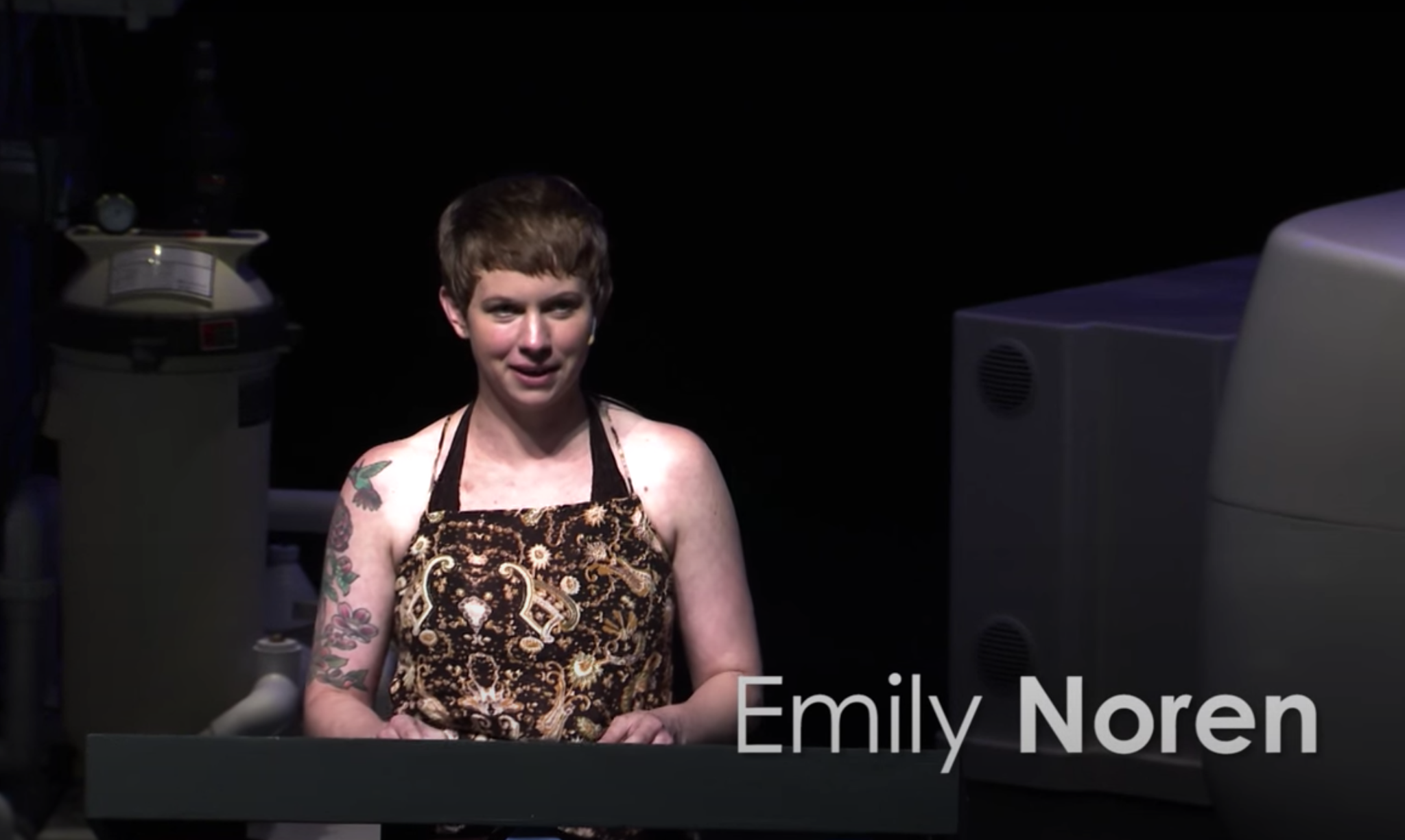
As a vehicle for both relaxation and recovery, float tanks are fairly unparalleled. There are lots of studies and anecdotes about the benefits that even a single hour float can offer. The most profound (and often inspiring) results, however,  actually come from floating more regularly. We hear this everyday in our conversations with our members and regulars, and so for this month’s blog, we wanted to highlight some of the personal stories from long term floaters that have been shared  publicly. While these are just a small sample of the incredible stories we’ve heard, they help to illustrate the wide variety of benefits floatation has to offer. Stories like these are why we opened our center, and why we’re so proud of the work that we do. Emily Noren, as a young teenager, developed anorexia and bulimia. Maintaining her weight occupied much of her thoughts and actions for the next decade and a half of her life, and the treatments and medications she tried never provided long-te...

Where Did Float Tanks Come From?

Image
  Hopping into a soundproof, light-proof box filled with saltwater may be a popular relaxation therapy today, but those just discovering it are likely asking themselves: “who came up with this strange device, and when were float tanks developed?” In order to answer those questions, we first have to ask “why did they want to make them in the first place?” In the early 1950s, neuroscience was a relatively new field of study, and how the brain worked was much less understood than it is today. One prevalent theory at the time was that our brains were designed to react to stimulation and that everything we did was solely a reaction to something external. Because of this, some scientists thought that if we were to remove all sensory stimulation, our brains would simply shut down. Early experiments to test their theories involved rooms with white noise (such as fans) blocking out sound and goggles with bright lights to keep participants from seeing anything clearly. Physician and neurosci...

How Floating Helped Me Accept I was Trans

Image
    This Pride, we thought we’d share a personal story from within the float community from someone who used floating to help her find herself.    Juliet Mylan is a trans woman who lives in Portland, Oregon and she has been gracious enough to share her experiences with floating and how it helped her understand her identity as a trans woman. This is her story:     My name is Juliet. My pronouns are “She/Her” and I’m transgender.   Most people are cisgender, which means they don’t battle with the thought that their body is wrong. A lot of people don’t understand what life is like for someone like me, so I thought I’d share how I came to understand myself.   Growing up, I didn’t have the language to understand these feelings. I didn’t even know what “transgender” meant. In my teenage years, as puberty hit, I started to feel like a stranger in my own body. Body and facial hair developed uninvited. My voice started to sound distorted and alien, making ...

Floating Into Your Best Summer

Image
Floating Into Your Best Summer 2020 is unique in being the only year in living memory that has consisted of an entire decade. Needless to say, we’ve all got a lot riding on the next few months. Floating is one of the best ways to enhance just about any experience, so it’s a natural fit for any big outings you may have planned. Float to Cool Down after Getting Worked Up Whether it’s from joining a local rugby team, going to a dance party, or just bicycling your local commute, going for a float after getting your heartrate up is a great way to bring you back to baseline. Floating is also a great way to let your body rest after pushing your limits. Many athletes who incorporate floating into their training program have been able to recover faster and perform better than without it. Appreciate the Little Things That post-float vibe you get when hopping out of the tank is one of the best times to stop and appreciate the beauty around you. After being in a sensory reduced environment (like a...